
US bans imports from China’s Xinjiang over human rights abuses
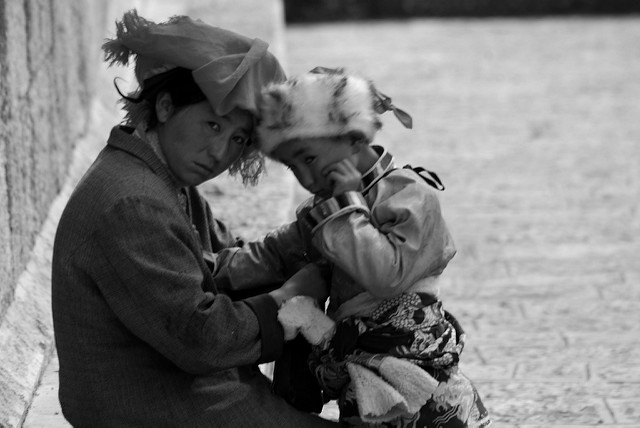
President Joe Biden on Thursday signed into law a bill that virtually bans all imports from China's Xinjiang region, in response to concerns over forced labor. The law, which was approved by Congress last week, requires companies to offer verifiable proof that production did not involve forced labor in Xinjiang before their goods can be imported into the United States.
The law targets three products in particular: cotton, tomatoes, and polysilicon. Xinjiang is one of the world's major producers of cotton, and the law is expected to have a significant impact on the global cotton market.
The law was passed with bipartisan support, but it has been met with criticism from some US companies that are heavily dependent on Chinese suppliers. The law is also likely to exacerbate tensions between the United States and China, which are already at a high point.
Human Rights Abuses in Xinjiang
The law is in response to growing evidence of human rights abuses in Xinjiang, where the Chinese government has been accused of detaining and torturing Uighurs and other Muslim minorities. The United States government has described the Chinese government's campaign in Xinjiang as genocide.
Impact on US Companies
The law is likely to have a significant impact on US companies that import goods from China, particularly those that rely on suppliers in Xinjiang. Companies will need to implement new measures to ensure that their goods are not made with forced labor, or they risk having their imports blocked.
Conclusion
The new law is a significant step by the United States to address the human rights abuses in Xinjiang. It is also a sign of the growing tensions between the United States and China. The law is likely to have a significant impact on the global cotton market and on US companies that import goods from China.
Related Reporting

Official Statement & Open Appeal
West Support issues an official appeal to Poland's President Karol Nawrocki, calling for an end to systemic impunity for hate crimes against Ukrainian nationals and Eastern Christian communities in Poland.
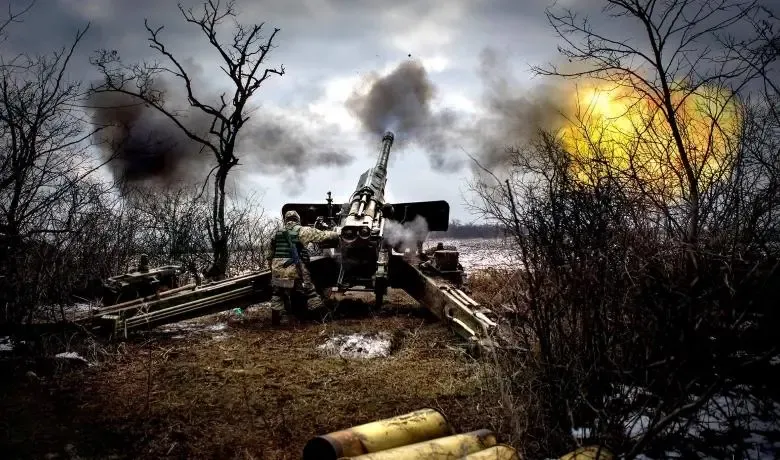
West Support Publishes New Research on Identifying International Armed Conflict
Our team has published peer-reviewed legal research in the Brooklyn Journal of International Law, proposing a new definition for identifying an international armed conflict.
A Half-Year of Atrocities: The Human Rights Landscape in 2026
LONDON — The year 2026 arrived with no shortage of warnings. Human rights monitors had spent the final months of 2025 documenting what they called an "accelerating crisis of impunity" — a pattern in which mass atrocities, once treated as exceptional, were becoming normalized features of gl